MY EYE Features

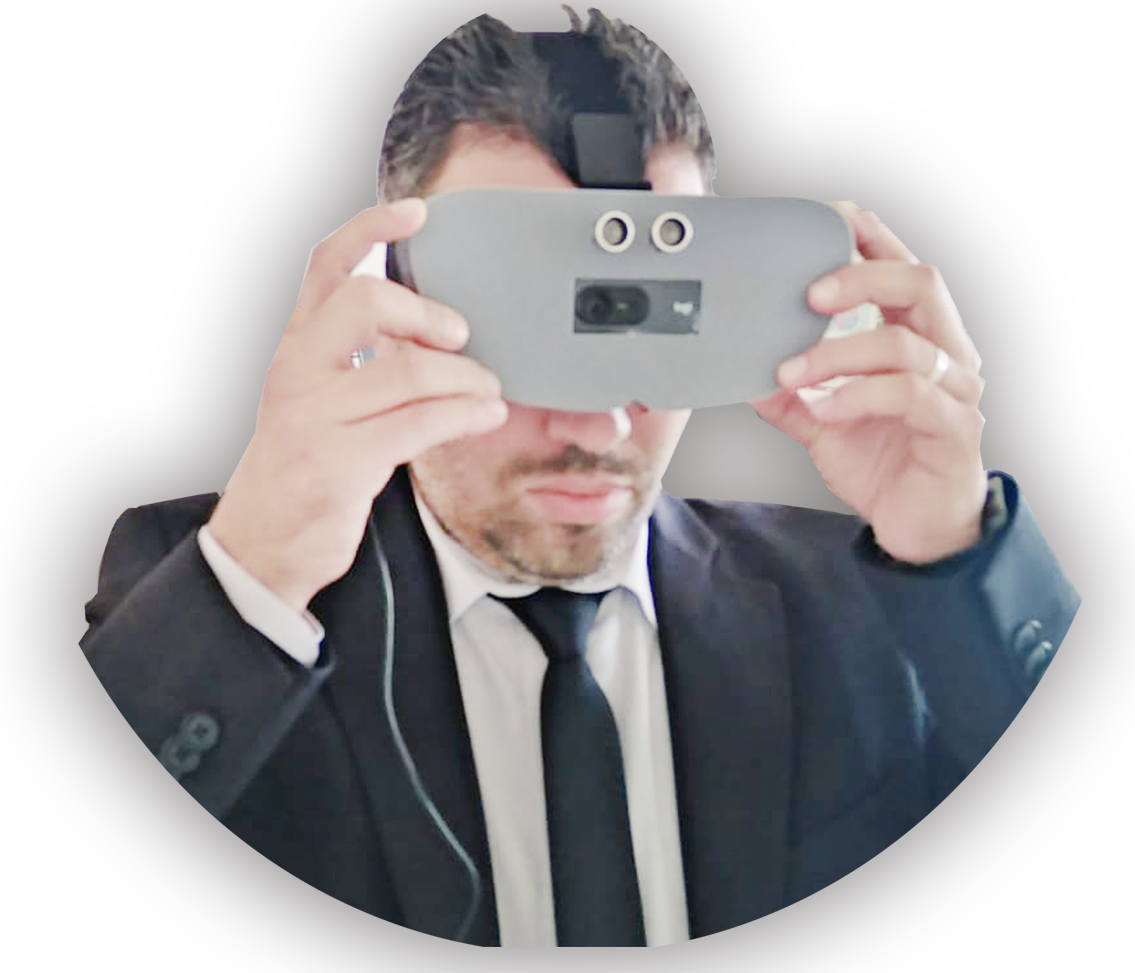
Goal: Help blind users "see" by converting visual and spatial information into audio.

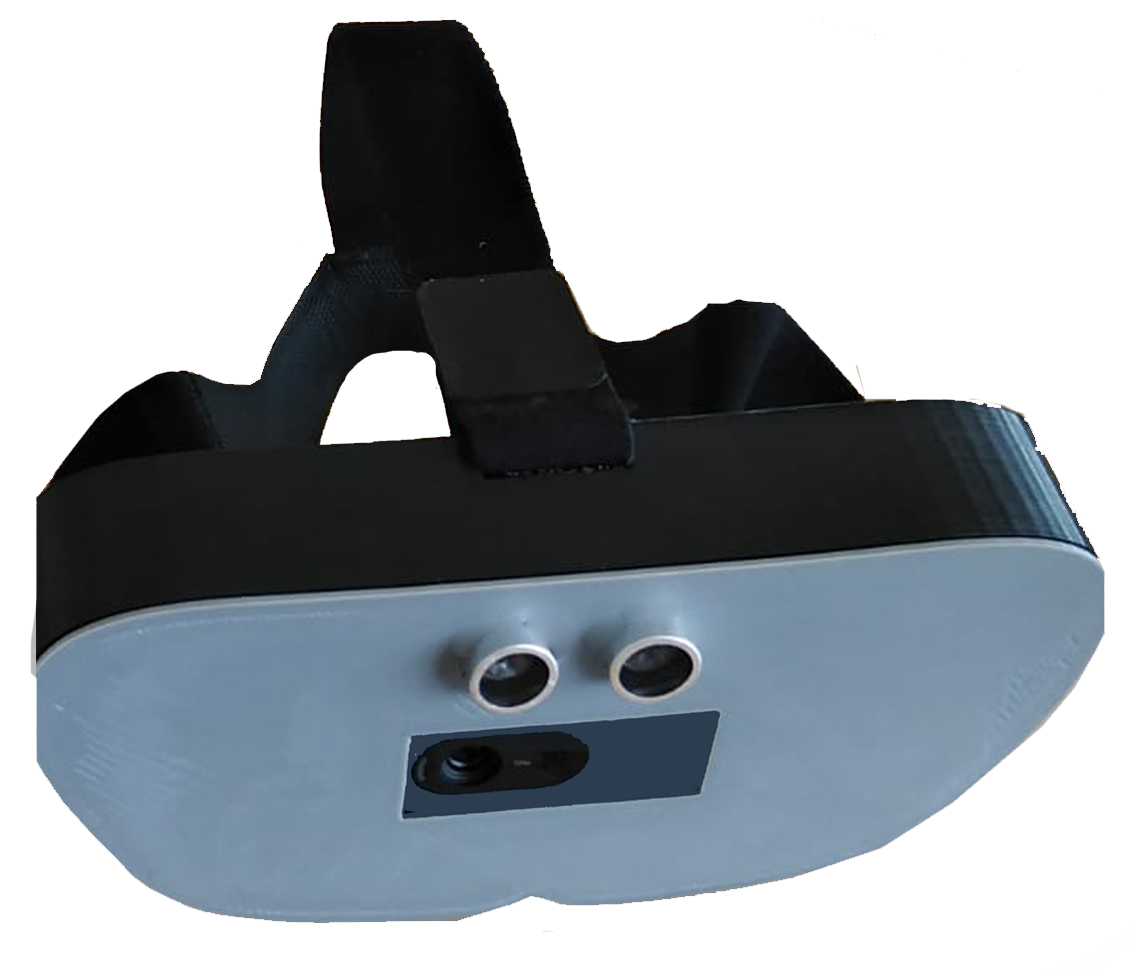
Measures Distance to Obstacles

Determining the distances for the barriers and keeping a safe distance from them we use:
1. Microprocessor (Raspberry Pi or Arduino)
2. Ultrasonic sensors for distance measurement \ 4 units
3. Connecting wires
4. Band-shaped enclosure, designed in a way that allows us to enclose the equipment inside

Read More
Detects objects

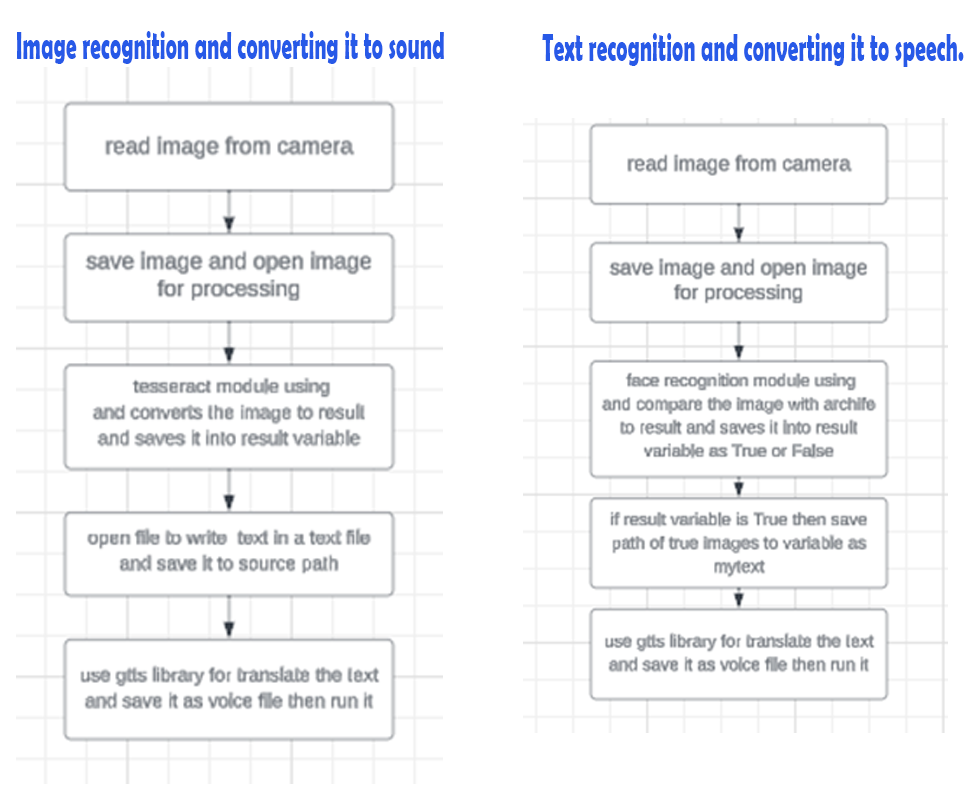
We use an algorithm that relies on Python libraries to process images and perform facial recognition. After detecting and recognizing a face, the algorithm saves the recognized name into a text file, which is then converted into an audio file and played.

Read More
Reads printed text aloud using OCR

We use an algorithm that relies on Python libraries to process images and recognize text using OCR (Optical Character Recognition) libraries. After extracting the text from the image, the recognized content is saved to a text file, then converted into an audio file and played.

Read More

Research Problem

According to the World Health Organization's 2019 report, it is estimated that around 253 million people worldwide suffer from moderate to severe visual impairment. Visual impairment is considered one of the leading causes of disability globally

Introduction

In alignment with the national vision of transforming Qatar by the year 2030 into an advanced country capable of achieving sustainable development and ensuring a decent standard of living for its people generation after generation, and in line with Qatar National Vision 2030’s goal of involving all segments of society in progress and sustainable development, it is essential to support the blind so they can be part of this vision

The nature of human interaction should be characterized by compassion, love, and respect. It is hoped that such values are reflected in our treatment of blind individuals, who are an integral part of our society. A blind person does not seek pity or sympathy from others; rather, what they need is that we do not constantly remind them of their blindness, but instead help them to see the world in a different way

Read More

Steps To arrive

Prototype Design

We used theOnshape platform to design the glasses' shape, where several versions were created, and we reached this final design.

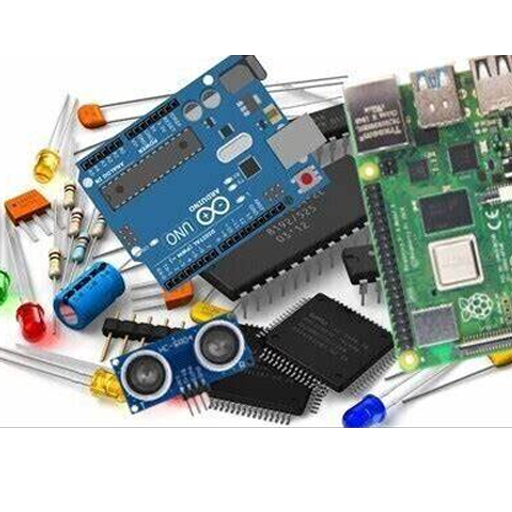
Identifying the Tools and Equipment Needed for Project Implementation

Component
Raspberry Pi 4/5 (4GB+)
Pi Camera v2 or USB Webcam
HC-SR04 Ultrasonic Sensor
Tactile Push Button
10kΩ Resistor
Breadboard + Jumper Wires
Speaker or Bone Conduction Headphones
Power Bank (5V 2A+)
MicroSD Card (32GB+)
Glasses frame designed to enclose the equipment inside
Visual Studio Code - Python

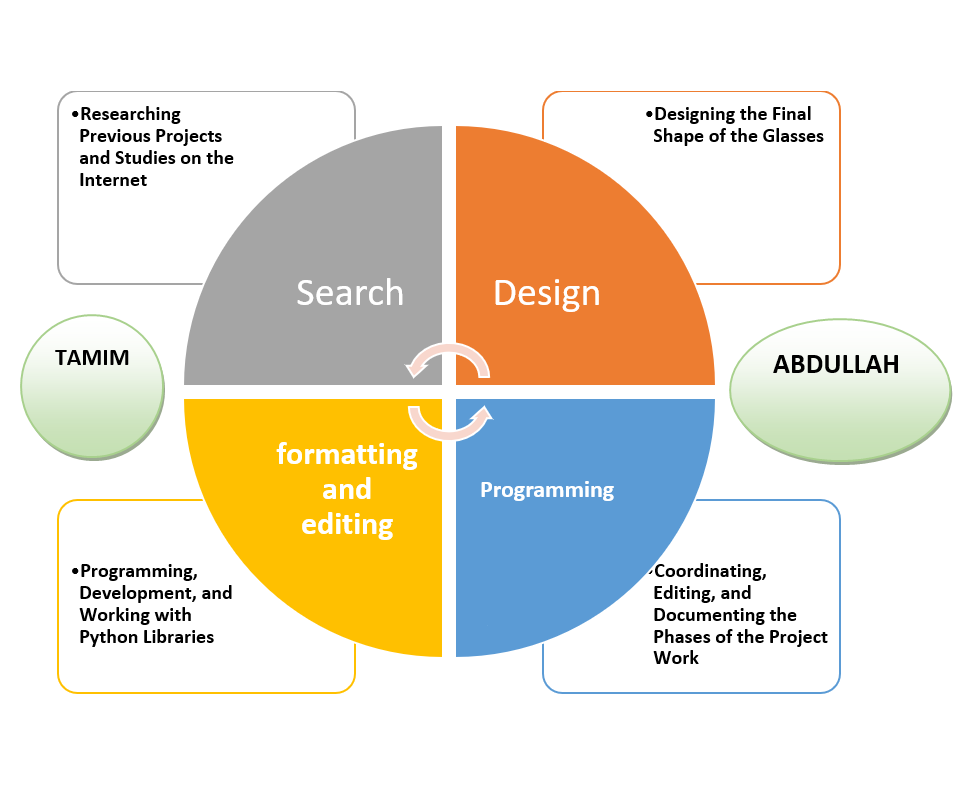
Work Plan

Hardware Connections

📷 Camera
CSI port (for Pi Camera) or USB port
🔊 Audio
Use 3.5mm jack or USB speaker
📏 HC-SR04 Sensor

VCC → 5V
GND → GND
Trig → GPIO 23
Echo → GPIO 24
🔘 Button

Leg 1 → GPIO 17
Leg 2 → GND
10kΩ Resistor between GPIO 17 and GND
🧠 Software Setup

Run the following commands to install required libraries:
sudo apt update
sudo apt install espeak tesseract-ocr
pip install opencv-python pytesseract pyttsx3 RPi.GPIO
algorithms we need

Our Team

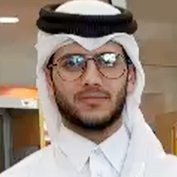
Osama Alyousf

Supervisor

TAMEEM ALQAHTANI

Searcher Teamleader

ABDULLAH ALBAAGARI

Searcher

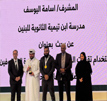
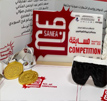
What is our Awards